pianist and medical doctor

Tag: 2022-01

  • 04(03): Comparison is the thief of joy

    How the quote ‘Comparison is the thief of joy’ originated

    “Comparison is the thief of joy”. This well-known quote is attributed to the 26th US President Theodore Roosevelt (1858-1919). Attached below is an image of him (taken from Wikipedia [1]).
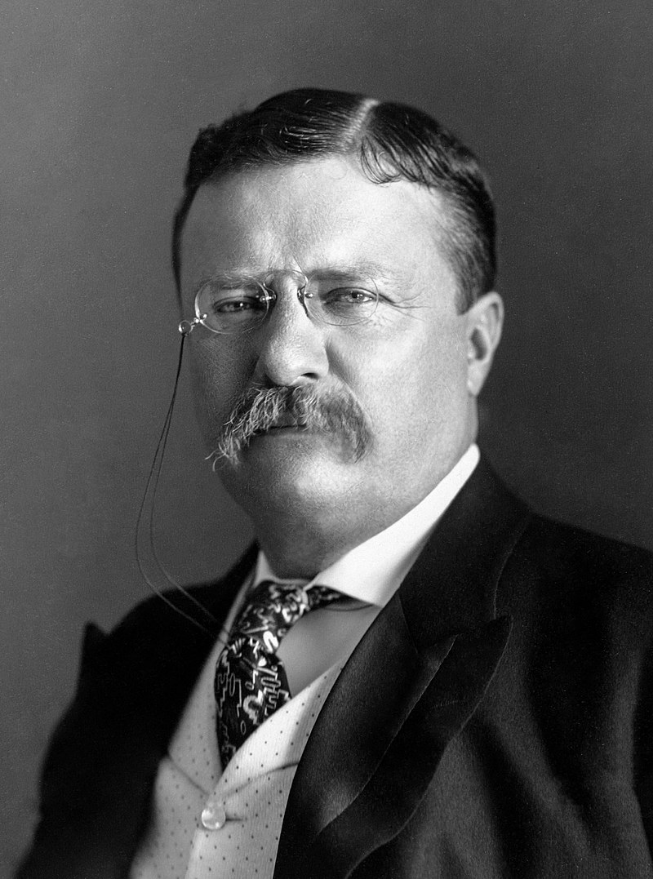
    Variations of this advice are common as well. In the US, a particularly well-regarded place to hike is the Appalachian trail – where the Appalachian Mountains are. Hikers on that trail apparently have the motto, “Hike your own hike”.

    Even within secondary school, I remember how the teacher for my Physical Education classes would tell us that whenever we enter the gym, we should “leave our ego at the door”. His main objective in putting such advice forth is that safety issues are more likely to crop up if people leave their egos unchecked in the gym. For example, a man may injure himself at one of the stations within the gym in an attempt to impress other people when trying to do something beyond what his current physical capabilities can bear.

    After all, in the gym, comparisons are certainly more objective. Dumbbells all have a specific weight associated with them. With all the numerical figures or size of objects being prominently displayed (e.g. heavier dumbbells are larger in size) for many of the stations within the gym, making comparisons with that other people is simply too easy. While easier said that done, individual users of the gym should indeed “leave their egos at the door” and focus on how they can become better than the person they were yesterday, and not compare with other people unproductively.

    With that said, comparing oneself with others is not always a bad thing. It is appropriate in at least the following circumstances: I once came across a video online (the last time I checked it on YouTube, it was entitled “A Little Girls [sic] Lesson In Fairness”). It was a segment from a movie where a father gives advice to his daughter.

    The most memorable line of that short segment of the movie was when the father says to his daughter that the only time we should look into our neighbour’s bowl is to determine if they have enough, not to see if we have as as much or less than them. In the direct form, here is the quote, at least from a cursory Google search:

    “The only time you look in your neighbor’s bowl is to make sure that they have enough. You don’t look in your neighbor’s bowl to see if you have as much as them.” – Louis C. K.

    Such a fantastic quote.

    How I was recently reminded of it by my Clinical Group EnRICH mentor

    I’m not sure if this is a new initiative but on my first clinical rotation as a third-year medical student at YLL, my clinical group was assigned an EnRiCH mentor. According to the NUS website [2], “EnRICH is a longitudinal mentorship program which aims to complement the students’ five-year medical curriculum by supporting the students’ professional development through:

    • Fostering personal and professional relationships with peers and mentors
    • Nurturing the NUS values of Respect, Integrity, Compassion, and Humility (Thus forming the RICH)
    • Developing self-mastery and resilience”

    My EnRICH mentor is a paediatric emergencies consultant at NUH. When asked by one of our CG mates if she had any advice for us, the quote “Comparison is the thief of joy” was what she told us. How apt.

    This is medical school after all. Medical school in Singapore. Medical students here are generally ambitious, diligent, possess type A personalities, and engage in many CV-enhancing/portfolio-enhancing side projects (e.g. volunteering, a side business, research) in addition to their main role of training to become safe and competent junior doctors.

    Listening to the various student presentations at Saturday’s WHBS Research Day event

    Despite only having been in YLL for about seven months, I have found myself making comparisons with many of my peers: not to see if they “have enough in their bowl”, but comparing to see if “I have as much as them” on numerous occasions.

    While I rationally am aware that such a mindset and approach is unproductive, I still succumb to it anyway. I wonder if it’s because the tendency to compare oneself with others is an inherent characteristic in human beings that is virtually impossible to eradicate.

    Anyway, I would like to share a specific example of how I had to deal with these comparisons that I made in my mind.

    On Saturday morning (29 Jan 2022), we had the Research Day by the Wong Hock Boon Society (WHBS), where various medical students had the opportunity to present their research to panellists of judges which consisted of established medical doctors and/or scientists. The event took place from 0830-1330 over Zoom.

    There were multiple breakout rooms, and each breakout room had multiple groups presenting their projects. For each project presentation, a panel of judges in the breakout room would evaluate the project on a points system.

    Dealing with feelings of inadequacy and combatting negative thoughts

    One thing that should be understood by the general public (or anyone that wishes to know more about how medical school works) is that engaging in research is generally not mandatory in most medical schools (particularly undergraduate medical schools). My perspective is that, at least in the context of Singapore, the goal of medical school is to produce functioning junior doctors at the end of the half-a-decade factory production line in order to ensure that our healthcare system is kept functioning.

    Even at Flinders (a graduate-level medical school), where students had to complete a mandatory ‘Advanced Studies’ component as part of the medical curriculum, students still had the choice between a research project and coursework. I had chosen the former (specifically: I had embarked on ophthalmology-related research given my interest in ophthalmology); however, I could also have chosen the latter option.

    In the context of medical school, engaging in research is something students can do to enhance their portfolio. You can imagine how having co-authored several peer-reviewed articles would make one stand out more as an impressive applicant to various residency programme selection committees. After all, when virtually all applicants possess a basic medical qualification (e.g. MBBS), you need other elements to sieve through applicants. Truly, with respect to research, the sky is the limit. I know about someone who is currently an HO (house officer) and has absolutely off-the-charts publication metrics. His h-index on Google Scholar as of the time of writing is 23 despite being only two years older than me. He’s only 26!

    Anyway, as for the WHBS Research Day event, I didn’t participate in the event for the full duration but I did still managed to attend a significant proportion of it. I did see many familiar names over there. As I heard the various students present their research to the judges, I couldn’t help but feel a combination of awe and regret.

    I wondered, “These presentations are amazing. I’m so happy for all these medical students – that despite the normal workload of medical school, they worked on meaningful research, and got to present their findings to these esteemed doctors and researchers.”

    I was impressed by many of the presentations I heard. It was evident that the students who worked on their project had put in significant effort to their project. On top of the actual research work, they still needed to spend time to prepare appropriate PowerPoint slides for the group presentation on Research Day.

    As I heard all these presentations, I couldn’t help but feel disappointed that I had not achieved anything like any of those students. It didn’t feel totally great as a participant, particularly as I watched medical students in my cohort or even in relatively junior cohorts (e.g. Phase II) present research findings that they were proud of. I couldn’t help but wonder, “What am I doing wrong? Why am I lacking? All these brilliant people are all ahead of me in this aspect.”

    I didn’t have a significant publication to my name.

    Thoughts of “if I had made many small but consistently good decisions over the years, things would have been different for me today” coursed through my veins. It’s not just such a thought of making generic good decisions.

    I can recall specific branch points in my earlier years, and I wonder how my life would have been different if I had chosen different paths. This probably deserves its own blog post but in essence, with my ‘O’ level score (a perfect net L1R5 of 2) as a Singaporean citizen, I was guaranteed admission into any JC via the JAE. One question that I ask (and asked) myself and people have always asked me was, “Why Hwa Chong? Why not Raffles?”

    Even within Hwa Chong, I did not make full use of the opportunities available which would have enabled me to get the most out of the Hwa Chong experience:

    1. I wasn’t as hardworking as I could be.
    2. I didn’t fully leverage on my abilities to participate in certain special programmes within the school.
    3. I didn’t leverage on my abilities to join a CCA in which I knew I could confidently excel in at a starting baseline (thus resulting in a missed opportunity to truly shine in terms of CCA performance and one’s perceived potential for taking on a leadership role within the CCA).
    4. I didn’t make use of the numerous advertised/promoted internship and attachment opportunities on the school portal. I recall this instance where even when I had actually, on the rare occasion, applied to go on an OCIP trip to Nepal, I was successful in my application (there were many students competing for limited spots)! However, I had not followed up regularly to check the outcome of my application status. By the time I found out that I had actually been accepted initially for the Nepal OCIP, it was too late. My spot had gone to someone else.
    5. I didn’t aggressively apply for all the miscellaneous awards and scholarships that I could have.
    6. I didn’t network as effectively as I could have.
    7. I could have chosen Geography instead of Economics (though my H2 Economics subject was ultimately computed as a H1-level subject for the UAP calculation, I nevertheless only attained a ”C” grade for it, which is unfortunate) for my A-level contrasting subject. The reason I chose Economics was that it was the most popular contrasting subject choice in the student cohort, and I just went with the flow. It’s quite unfortunate because at the O-levels, I did enjoy Geography a lot and excelled in it. Who knows what my A-level result would have been if I had chosen Geography instead of Economics.
    8. Even for one of Hwa Chong’s special science research programmes which I was a part of, I could have been more strategic to choose a project with a high likelihood of leading to a tangible outcome: a journal publication, or being able to present some significant finding. Instead, I had chosen a project where getting some meaningful tangible result was much more challenging.

    It hurts just thinking about what could have been if I had been more serious, mature, and competitive at that age.

    Even beyond Raffles and Hwa Chong, I also wonder how things could have turned out if I had gone to ACS(I) instead. I recently had lunch with a friend who did the IB, and she explained to me in detail how the IB works. It did sound quite meaningful and I wonder if I would have been able to achieve a better equivalent score in the IB than I did at the A-levels. We could even go one step further. If I had truly excelled at the A-levels, and had gotten into local medical school ASAP, I would be working as an HO now.

    In an alternate universe, I could have been one of these students delivering a presentation on the WHBS Research Day on Saturday.

    As for dealing with the issue of regrets, I simply don’t think it’s productive to dwell on one’s regrets. Though easier said than done, I know that I should let bygones be bygones. The past cannot be changed. We have knowledge of the past, and we are living in the present. We should use that past experience to our advantage.

    Conclusion

    As I have quoted previously in my other writings, there is a well-known Chinese proverb that goes, “The best time to plant a tree was 20 years ago; the next best time is now”.

    I recall watching an inspiring video on YouTube once, where the speaker talks about how one’s absolute position is not necessarily the most important. Rather, it’s one’s trajectory that is more important!

    Armed with the lessons I have learnt, I know that I can start making good decisions from today so as to maximise the likelihood of attaining meaningful long-term success in various domains: academic performance, future work performance, relationships, and health.

    If you meet me about a year from now, ask me how my life has changed since I made this blog post today. I hope to give a positive report.

    Wish me all the best.

    NL
    31 January 2022

    References

    [1] https://commons.wikimedia.org/wiki/File:President_Roosevelt_-_Pach_Bros_(cropped).jpg#/media/File:President_Roosevelt_-_Pach_Bros_(cropped).jpg
    [2] https://cenmedscholar.nus.edu.sg/course-details.aspx?id=35

  • 04(02): Establishing a basic skincare routine

    Skincare routines are not limited to use by women

    It isn’t challenging to appreciate the sheer number of beauty, skincare, and facial products that are marketed primarily towards the female demographic in society. It’s everywhere: physical advertisements at bus stops, MRTs, shopping malls; advertisements along the side of the page as you surf the web. Beyond advertisements, the depiction of the ‘ideal’ attractive woman in various forms of the mass media: movies, animated short films, games, popular profiles on various social media platforms, only help to further cement the notion of the sheer emphasis that society generally places on female beauty. This emphasis is surely felt to at least some extent by all women, but particularly so for impressionable adolescent females, who at that age are also especially concerned with how they are perceived by their peers.

    In view of this, just visit any typical mall in Singapore (or any other country for the matter of fact). Various components of make-up (e.g. lipstick, mascara, blush), skincare, and beauty products abound. From the perspective of many of these for-profit corporations, there is a lot of profit to be made in exploiting women’s general desire to look, or at least feel, as physically attractive as possible. This is not surprising because men are generally attracted to the physical beauty of women. Being physically attractive as a woman can generally be considered to be an asset. Attractive women are generally more desirable, not just from the direct perspective of engaging them as sexual or romantic partners, but also in a myriad of arenas: in the workplace, or any other conceivable situation with some level of social interaction between men and women. To simply put it, it is advantageous to be an attractive woman. I’m sure my female readers can appreciate this truth even more than me.

    While women generally also desire their potential partners to be physically attractive, it is generally not as highly prioritised as that of the male perspective of women. Women generally assess romantic or sexual partners more holistically. Things associated with a man’s ability to provide for and protect her (physically and financially) and any potential children are considered equally (if not even more) prized by women: wealth, income, and physical fitness. Men and women ultimately prioritise different attributes in the opposite sex when looking for a romantic or sexual partner. At least based on this brief discussion on the differences between men and women, it should thus come as no surprise that an overwhelming proportion of beauty and skincare products target the female demographic primarily.

    Conventionally, men do not wear makeup, but they can still certainly benefit from having a separate skincare routine that is independent of makeup. With a proper skincare routine, one can develop a smooth (or at least smoother) complexion, and reduce the risk of developing skin cancer, undesirable clinical features and complications of acne, and more.

    As such, it is my wish to outline my journey of how I started my skincare routine recently so as to particularly encourage you (particularly if you are male) to consider starting a routine or resume a routine (if you had begun one previously but failed to be consistent with it).

    How I decided to establish a skincare routine recently

    On one of the last few days of last year – 29 December 2021, I had a productive and meaningful chat with a friend regarding skincare. This conversation with her occurred after I had gone for a run with her on that Wednesday morning. We started talking about skincare when she made a remark about the mild facial acne I had.

    You should have been there in person – to see how she was left mouth agape when she learnt that I did not even use facial cleanser or any skincare product. She was the polar opposite of me at that point in terms of her commitment to skincare. She used multiple products. In addition to the products she ultimately convinced me to use, she also used serum, eye cream and face oil (see the image below for reference [1])!

    She is diligent and consistent with her skincare routine and has been doing it for years. So, it came as no surprise that her complexion is great. In fact, she told me how her peers in secondary school (she came from an all-girls’ secondary school) would comment on how great her complexion was. Unfortunately, she did develop some mild peribinocular freckles after going to Australia to study briefly. According to her at least, it’s irreversible. ☹️

    What I appreciated about the dialogue I had with her was that she was sincere about explaining to me what a basic routine consisted of and how I could get started despite being a complete beginner. She was patient, encouraging, and explained to me the rationale of certain components of the skincare routine and how I could use them properly.

    In the end, it took a girl around my age 1.5 hours to convince me to establish a routine. She accomplished what my parents had attempted to do for about the past 11 years (well, since my first onset of acne, at least).

    I suspect that I was more inclined to adhere to my friend’s advice for the following reasons:

    1. My friend was gentle, knowledgeable, and specific in her advice. She actually knew how to use a product properly, and how to use each component of the skincare routine in conjunction with the other components. It was way beyond merely buying “alcohol-free toner” and asking someone to “just use it”. She had years of experience in using this stuff. She was also quite enthusiastic about skincare. She had watched many videos and read many articles on it. It was great just talking to someone who had so much zeal for anything skincare-related; some of that contagious zeal must have ignited my internal spark for skincare! As for my parents, while I’m not sure about their level of knowledge of skincare, what I can say is that over the years, I’ve just been told to “use” skincare products which were already in the house. Boo…
    2. Perhaps I am just more willing to listen to people around the same age as me. I wonder if this has anything to do with how a part of rebellious teenage Nicholas still resides within me, that I intentionally go against the well-intentioned advice of my parents. “Nicholas, go do XYZ” would be met with thoughts of “Why do I need to do XYZ? How does XYZ work; and exactly do I benefit from doing XYZ?”
    3. When a person of the opposite sex (particularly a person who is also one’s peer) gives advice pertaining to things which affects one’s physical attractiveness, one is generally inclined to take it seriously. Such advice has significant weight. What are the factors which women consider when assessing the physical attractiveness of a potential male partner? The following factors, in no particular order of ranking, are what I can think of at the moment: 1) height; 2) presence of facial acne and abnormal facial skin changes (or lack thereof); 3) habitus; 4) dress sense; 5) haircut; 6) general facial appearance. It goes without saying that men without facial acne or any other abnormal facial skin finding would be perceived as being more physically attractive than men with those skin findings.

    Anyway, after that conversation with my friend, which happened to also conclude our meeting that morning, I ran home (literally) to shower before joining my parents for lunch. Immediately after my shower, I enquired about the skincare products that my friend had convinced me to start using.

    My parents were so delighted when they heard me asking about the skincare products. You could see the glee and exuberance written all over my mother’s face, in particular. For all these years, they had attempted to convince me to use these products regularly but to no avail. Their constant advice would be resisted by equally persistent reluctance. However, 29 December 2021 was the day when all that would change.

    Enthusiastically, my mother handed me the products I could use!

    There had always been an abundance of such products in the house. It’s just that I would never use it. In the following section, I will talk about my current established routine.

    My daily skincare routine within the broader contexts of my morning and evening routines

    I currently use the following components: facial cleanser, toner, moisturiser, sunblock, and topical benzoyl peroxide.

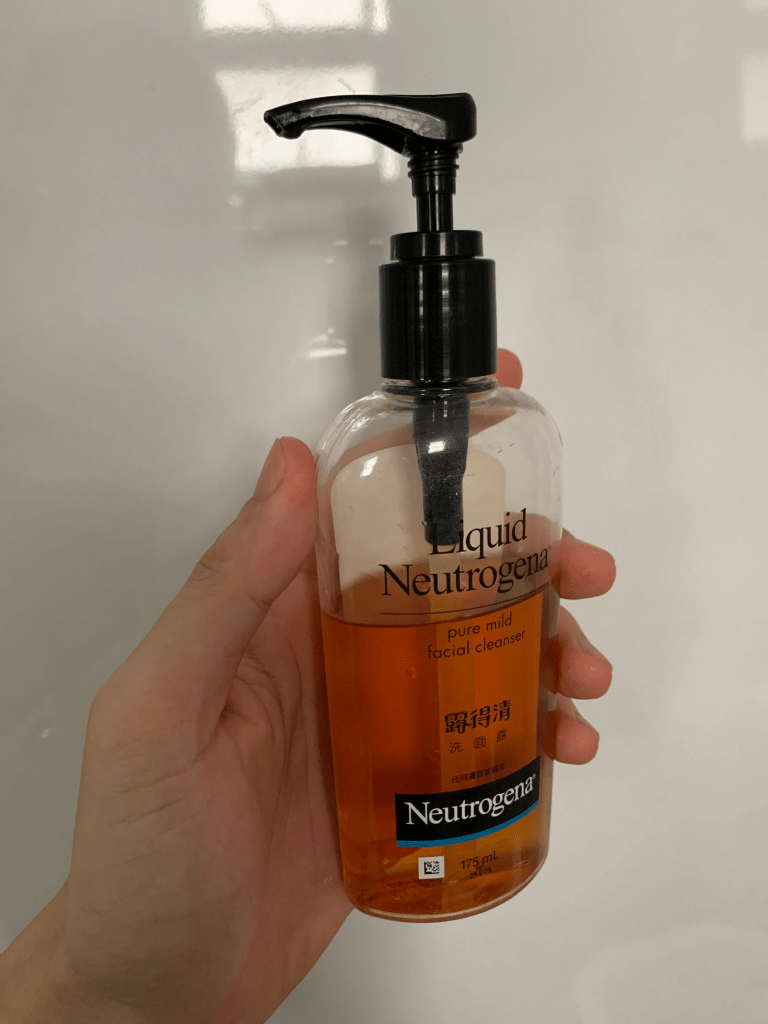
    Every morning, I awaken at the sound of my alarm on my iPhone. After stopping the alarm, I do 60 push-ups and proceed to brush my teeth with my electronic toothbrush that has been programmed to run for exactly two minutes at the simple push of a button. Then, I grab the towel from the yard, hang it along the top edge of the full-length glass pane in the bathroom, step into the shower, and begin rinsing myself. During the rinse, I would use the facial cleanser (see image below). I would pump a small amount of cleanser onto the ventral surface of my left ring finger, and apply it to my face.

    Then, I would dry myself with the towel, drying all regions of the body except the face. I would go to my bedroom, and get changed into my attire for the day. I would then head to the kitchen, where I would partially fill a hemispherical bowl with muesli and fresh white full-cream milk. I then partake of the food with just a spoon in my left hand (NB: in order to train ambidexterity, I do this, just as I hold my toothbrush with my left hand).

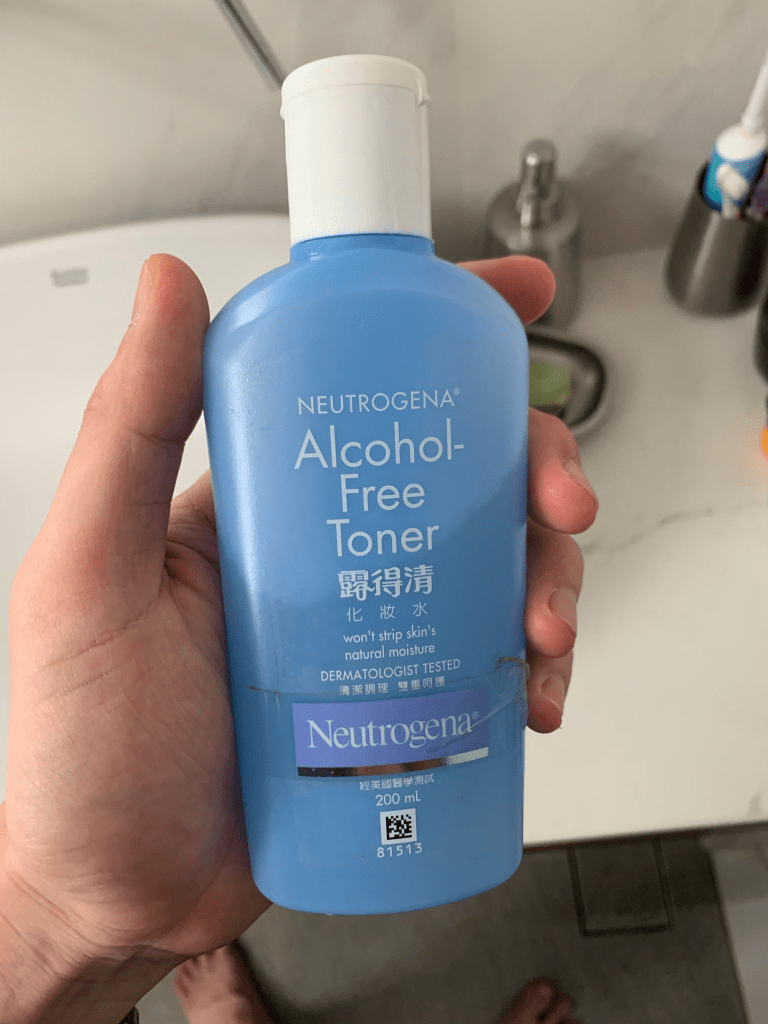
    My right hand would be on my iPhone or my iPad. In either case, I would likely be reading email or doing my daily Anki review flashcards on my iPhone or iPad. By the end of it all (the breakfast and work), my face would usually be sufficiently dry. As such, I would begin applying the alcohol-free toner.

    After application of the toner, I then apply the moisturiser. The moisturiser is quite a unique component of my routine in that I will always strive to apply it twice a day regardless of the number of times I have showered on that day. One of the things that my friend kept emphasising to me was that moisturiser use is so important, and that I should strive to apply it twice a day, rain or shine.

    As for the other products, I just use them at least once (if I only happen to shower once that day), though I still generally use them all twice (except topical benzoyl peroxide) daily.

    The last thing I apply (after the moisturiser) is sunblock, though I would wait for some time to elapse after applying the moisturiser before applying the sunblock, if possible, in order to let the moisturiser be effectively absorbed into the deeper layers of the skin.

    NB: Did you know what sunscreen and sunblock are two technically distinct terms that mean entirely different things? I only learnt there was a difference when I was reading some articles while working on this blog post. I’ll probably discuss the difference and its implications in a future blog post, but in essence, the product as shown in the image above is sunblock because one of its active ingredients is titanium dioxide, which is an active ingredient that is commonly found in sunblock.

    Sunblock is also known as physical or mineral sunscreen. This is different from chemical sunscreen.

    The distinction between sunblock and chemical sunscreen is important because sunblock should be applied after moisturiser while chemical sunscreen should be applied before moisturiser use. As such, sunblock is the last thing I apply in my post-shower skincare ritual.

    The last component that I use which is not part of my immediate post-shower skincare ritual is the topical benzoyl peroxide. For that, I apply it just once a day – before my nocturnal slumber. I exercise care and caution such that I only apply it to the specific regions which are adversely affected by facial acne. This has two benefits. Firstly, it allows me to conserve the acne cream, and allows us to use the product for as long as possible. Secondly, it minimises the side effects associated with the topical application of benzoyl peroxide, which is known for inducing localised skin irritation, skin reddening, and increased photosensitivity. Fortunately, I have not been afflicted with any significant adverse effect thus far, and I expect things to remain this way.

    Topical benzoyl peroxide comes in a number of concentrations. The above contains 5% benzoyl peroxide. The lowest and highest concentration of benzoyl peroxide I have seen are 2.5% and 10% respectively.

    Although it has only been about three weeks since I started, I am already seeing some improvement, much to my surprise. Hopefully, there is room for even more improvement the longer I adhere to the skincare routine.

    Conclusion

    I think my skincare routine, at least for a male, is pretty decent the way it is. I doubt I will be including even more products to make my skincare routine more elaborate but if I ever do in the future, it’s going to be yet another investment of time and money required.

    If you’ve gotten to this point, dear reader, then I urge you yet again to consider assessing the state of your facial complexion and your current skincare habits (or lack thereof). For most people, there will be some area for improvement. Work on it. Talk to people who are more experienced for advice.

    There is a famous Chinese proverb which goes, “The best time to plant a tree was 20 years ago; the next best time is now”.

    What are you waiting for? Get started!


    Disclaimer

    I am not sponsored by any of the companies whose products I have featured in this blog post. I am still a beginner, when it comes to anything skin-related. This is also a learning journey for me. Always do your due diligence and cross-check what I have published.

    The information in this blog post is general and informational in nature. For your specific health concerns, you are advised to talk to a qualified healthcare provider who can address your personal concerns.

    References

    [1] https://www.cosmopolitan.com/style-beauty/beauty/a25372431/what-order-to-apply-skincare-products/

  • 04(01): My journey with myopia and glasses

    On a humid afternoon a few days ago, I was seated in my black swivel chair at my study table. My mind was just wandering as I pondered the events that had occurred in the entirety of 2021 and the first week and a half of 2022. What an adventure it has been. As I sat down and glanced around my bedroom, I noticed my glasses lying on the surface of the table. It is one of the few items I absolutely cannot live without.

    My journey with glasses began when I was a Primary Three student. Despite being positioned at one of the first few rows in the classroom, I needed to squint to accurately note the fine details that lay on the whiteboard. It did not help that sometimes, the teachers’ handwriting would be quite tiny.

    My dad realised that I needed glasses, and I had my first ever pair of prescription glasses made when I was Primary Three. I was officially diagnosed with myopia.

    Myopia is better known as short-sightedness. Its pathophysiology is characterised by abnormally increased ocular axial length, or less commonly, by actual increased refractive power (either at the level of the cornea, or the natural lens embedded within the eye). In either case, the resulting focal point becomes anterior to the retina. For human beings to see a clear image, the resulting focal point should correspond nicely to the retina’s surface. Even if the focal point is just a little too anterior or posterior, the resulting image will be visually distorted. The extent of the distortion will depend on the extent to which the focal point is displaced from the level of the retinal surface. The clinical features of myopia are that of the patient reporting clear vision for near objects, and relatively blurred vision for far objects. On general observation of the patient, it is common to see patients having to squint when trying to focus on details that are far. How does this work?

    Well, when one is squinting, one effectively reduces the effective surface area for which light rays are incident on the lens. The effect of this is that only a small amount of focused central light rays are incident on the eye. Pinhole glasses work on this same principle. By shielding our eyes from the unfocused peripheral light rays, less of such unfocused light rays reaches the retina, resulting in better vision. But of course, there is a downside to this. The consequence of squinting or using pinhole glasses is that peripheral vision is hindered (you are effectively preventing unfocused peripheral light rays from reaching the retina after all). The brightness will also be lower (due to having fewer light rays reach the retina). As such, caution should be exercised when using devices such as pinhole glasses. It certainly should not be used when one is driving, due to the dramatic effect it has on one’s peripheral vision. The benefit associated with the mild alleviation of one’s myopia likely doesn’t outweigh the harms associated with the decreased peripheral vision and the decreased brightness.

    The poorer the patient’s visual acuity, (visual acuity needs to be assessed independently for each eye), the greater the functional limitation on the patient, resulting in a greater reduction in the quality of life of the patient. It is thus important to address the disease entity – myopia. Survey after survey has found that of all the five senses, people consistently rate sight as the most important. Sight is something that is so easy to take for granted. Just try walking with your eyes closed in your very own humble abode!

    The most common way of managing myopia is via prescription lenses. This is not surprising given that it is non-invasive and doesn’t involve the use of topical drugs or invasive refractive surgery which both have their adverse effects and associated risks. As such, the most common first-line treatment of myopia involves one trying a diverging lens with refractive power such that it would diverge the incoming rays of light. This effectively weakens the overall refractive power of the eye and causes the resulting focal point to move posteriorly, back to the retinal surface where it should belong. And of course, a natural question would be – how do we know the strength of the diverging lens to use by determining how much to move the focal point posteriorly by?

    For that, we need to go back to the pathophysiology of myopia. The answer is that we can first determine the current focal point for each eye of the patient, and we in turn accomplish that by having the patient undergo a visual acuity test for each eye. That’s how we figure out the corresponding prescription lens to use for each eye. One thing I should just quickly say is that if you (for those of us who have our prescription) look at your prescription, you may see something presented in the same format as this (this is my latest prescription, for those of you who are wondering):

    OD: -2.75 -1.75 10
    OS: -3.00 -2.25 155

    ‘OD’ and ‘OS’ are short forms for ‘oculus dextra’ and ‘oculus sinistra’, which are Latin terms for right eye and left eye respectively. As for the numbers in the three columns, ignore the second and third columns for the purposes of this article. Let’s just focus on the first column.

    The number in the first column denotes the spherical error. If the number is a negative number, that means the patient needs a lens which weakens the refractive power of the eye (i.e. a diverging prescription lens). You can hence infer from this that the patient is myopic. In this case, the patient’s right eye requires a diverging lens of -2.75 D (D stands for dioptres). Colloquially, at least in Singapore, laymen don’t know and don’t use the term ‘dioptres’. They always talk about ‘degrees’, which is essentially just the magnitude of the spherical error multiplied by a factor of 100. So, if we use the data from the example I have given above, then most people in the local context would say that their right eye is 275 ‘degrees’.

    Over the years, as I progressed from Primary Three through Six, secondary school, and even through junior college, I have had to update the lenses on my prescription glasses every two to three years on average. This was because my visual acuity for both eyes deteriorated gradually, albeit at slightly different rates. Normally, when the lenses were changed, I would also take the opportunity to change the frames. However, recently I have decided to maintain the same frames because I truly relish my current pair of glasses.

    Allow me to give some background.

    I enlisted for full-time national service (a local euphemism for military training lol) in January 2016. In view of that, I decided to update my prescription lenses a month prior to that. So, in December 2015, I went to the optometrists whose services my family has used for the longest of time (Mee Mee Optics, the branch at Bukit Timah Plaza). On that occasion, in addition to updating my prescription lenses, I decided to have these updated prescription lenses in two totally new frames. One frame would have to be a black full-rimmed one in order to comply with the military regulations. For the entire duration of my full-time national service, I would have to don this particular frame. However, I also made another pair of glasses (the MYKITA ‘Rafael’ glasses), which I would wear whenever I was not in camp. In fact, I enjoyed the look of the Rafael so much that I would bring the Rafael to camp, despite having to wear the black full-rimmed glasses most of the time while in the military camp. Nevertheless, whenever I left the camp in civilian attire, I would don the Rafael!

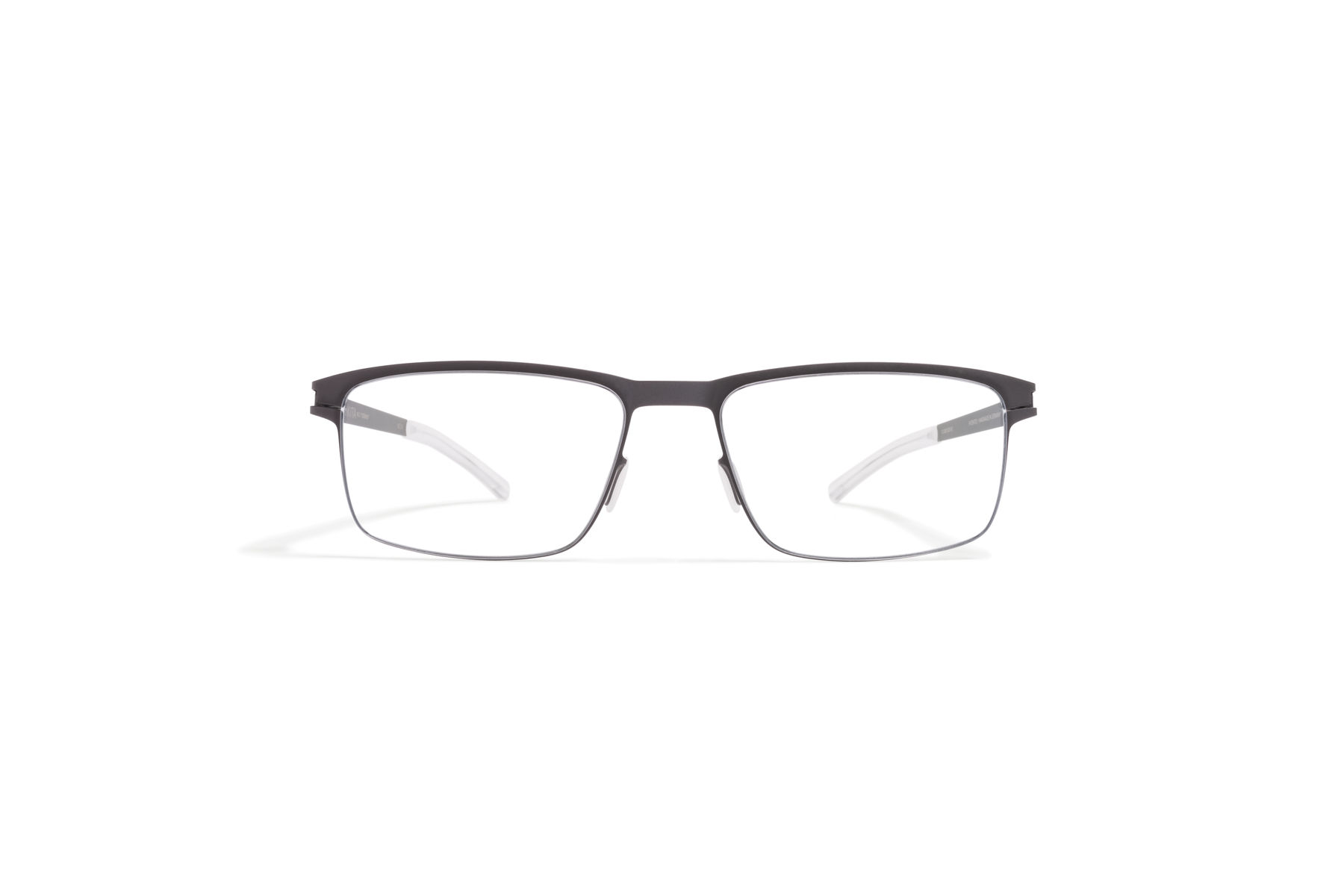
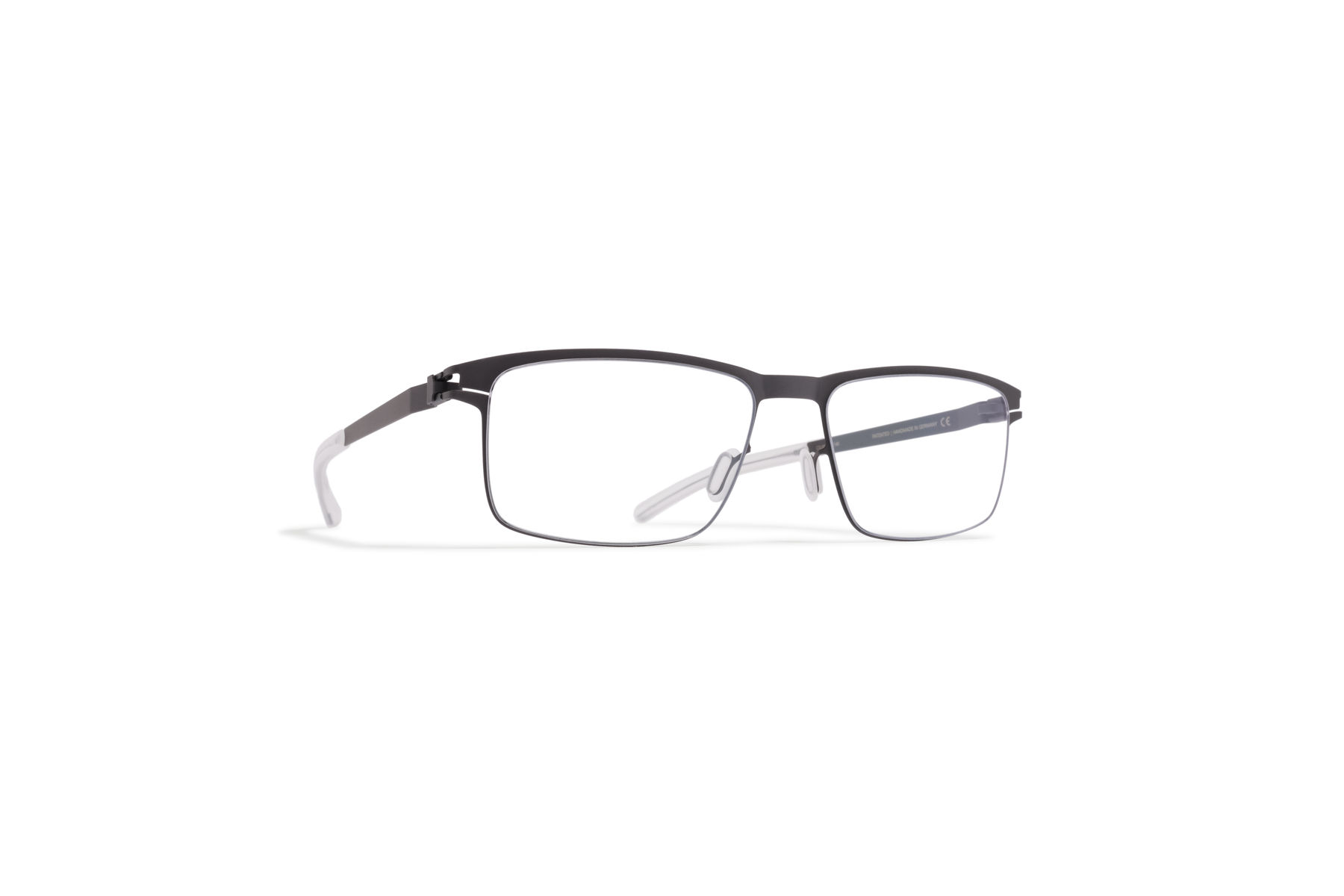
    NB: The ‘Rafael’ glasses of the MYKITA No. 1 collection is no longer being manufactured. Its successor is the ‘Dennis’. So I guess you could say that my ‘Rafael’ glasses are limited edition! The images below are taken directly from the MYKITA website, and they show the ‘Dennis’ glasses, which bears an uncanny resemblance to its predecessor (trust me on this one).

    A pair of glasses

Description automatically generated
    A pair of glasses

Description automatically generated

    For this second pair of glasses, it was specifically a pair of navy blue MYKITA No. 1 ‘Rafael’ glasses which were specially handmade in Berlin. According to the MYKITA website, “Collection NO1 laid the foundation for MYKITA. Fashioned from stainless steel sheets, the frames are made into a three-dimensional structure through a series of bending and folding steps, similar to the Japanese art of origami. The modern principle behind the openly displayed spiral hinge represents the design approach that has informed all subsequent MYKITA collections: the technical solution must also be an aesthetic one.

    All the tinted lenses of the NO1 collection come with an antireflective coating on the reverse side and offer total defence from UVA and UVB rays as well as maximum glare protection.”

    The ‘Rafael’ model is half-rimmed, and I just think that this lightweight pair of glasses looks incredibly sophisticated. The generally rectangular shape of the lenses complements my face shape a lot. Having a dark colour for the rims and temples of the glasses also complements my dark hair. So, although this purchase was on the relatively pricey end, I was and remain absolutely satisfied by the purchase. Price is what we pay, but value is what we get. I enjoyed it so much that even when I decided to update my prescription lenses in June last year (shortly after I had returned to Singapore for good upon acceptance of the offer to transfer to NUS Medicine), I decided to retain this frame. For now at least, I intend to use these frames indefinitely. I have no intention of changing these frames.

    Another relatively piece of good news is that my myopia progression seems to have somewhat stabilised, which is good, considering that my visual acuity could be considered to be at the threshold between mild and moderate myopia. Classifying myopia by severity is clinically significant because it is well known that one’s risk for a retinal detachment is much greater if one’s myopia is severe!

    At this juncture, some of you might be wondering what happened to the black full-rimmed glasses. Well, given that I finished my full-time military service obligation for good in November 2017, and that I have not had to go back for military duties, I have not worn those glasses for a long time… Also, unlike my current MYKITA glasses, those black full-rimmed glasses do not have transition lenses, which is something I do appreciate a lot!

    In essence, all is well, and I am still wearing the same frame for my glasses even after 6 years! On many occasions, I can’t help but marvel at how technology that has been refined over several millennia has enabled us to develop corrective lenses to treat myopia. I am so grateful that such a treatment option exists. With these corrective prescription lenses, I, along with millions of other people worldwide with varying severity of myopia, have been granted the ability to see normally, and function at our best in contemporary society. Engaging in healthy eye care practices and habits is so underrated.

    Take care of your vision (speak to your doctor, optometrist, or ophthalmologist for personalised medical advice), and stay safe even as we get battle the Omicron variant of SARS-CoV-2!

    Nic
    15 January 2022