After a typical Sunday morning at church today, I headed for lunch at the Wisma Atria foodrepublic food court before then making my way to Sim Lim Square to upgrade my newly bought ThinkPad E16 Gen 2 with some extra RAM.
Walking through Sim Lim’s narrow corridors lined with gadget-packed shops, I was reminded of why this place remains so essential for tech lovers in Singapore. Beyond being a treasure trove of electronics, SLS is also one of the few places where a bit of bargaining can help you score satisfying deals.
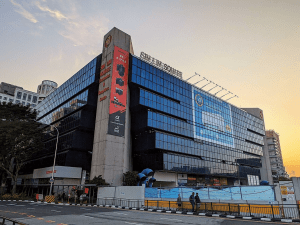
Sim Lim Square is steeped in history, with its doors opening in 1985. For nearly 40 years, it has been a gathering spot for everyone, from hobbyists and tech enthusiasts to bargain hunters and tourists looking for their first tech haul. Over the years, it has maintained its reputation as the go-to hub for everything tech. It’s a place where prices aren’t always fixed, and a bit of negotiation is often expected—if you know how to play your cards right.
A few days prior, I had also found myself wandering these same halls, eyeing a new HDD for my backup needs. With SSDs all the rage these days, HDDs often get overlooked. However, for long-term data storage, I still find HDDs more reliable. HDDs are also more affordable. My aim was a Western Digital My Passport 2 TB model, so I spent some time comparing prices from various shops in SLS.
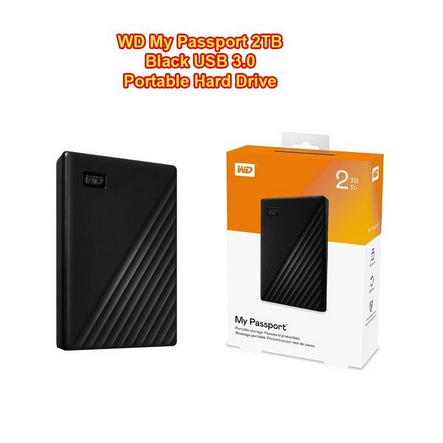
Here’s what I found (just in case you’re interested in buying a hard drive too):
- #02-66 was selling the 2TB WD My Passport for SGD 109
- #03-90 had it priced higher, at SGD 159 (ridiculous, right? lol. I think this seems to support the notion that the mainstream shops on the lower levels tend to be frequented and patronised by noobs and folk who are not so ‘in-the-know’).
- #04-70 offered it for a very competitive SGD 95
- #05-46/47 priced it at SGD 98,
- #05-48 gave SGD 98 as their fixed price on their price list; however, when I started walking away, they said that SGD 96 was their “best price”
- #05-50 publicly listed the price as SGD 100; but the staff said, “for you, brother, I offer you SGD 99).
After scouting these options, I went for the shop on #04-70, which had the best deal at SGD 95. I frankly doubt that one can get a better deal for this. SGD 95 would be even cheaper than what one would find on Amazon, Lazada, or Shopee. If any of you are able to find a place in Singapore which sells this product for less than 95, let me know! I’d be really keen to learn where this place is.
Anyway, this kind of comparison gave me a good sense of how prices can vary between shops even for identical items and reinforced the value of a bit of patient research and price-checking. So, my experience with the HDD shopping gave me some insight into price ranges, and I adopted the same approach to my RAM shopping this afternoon.

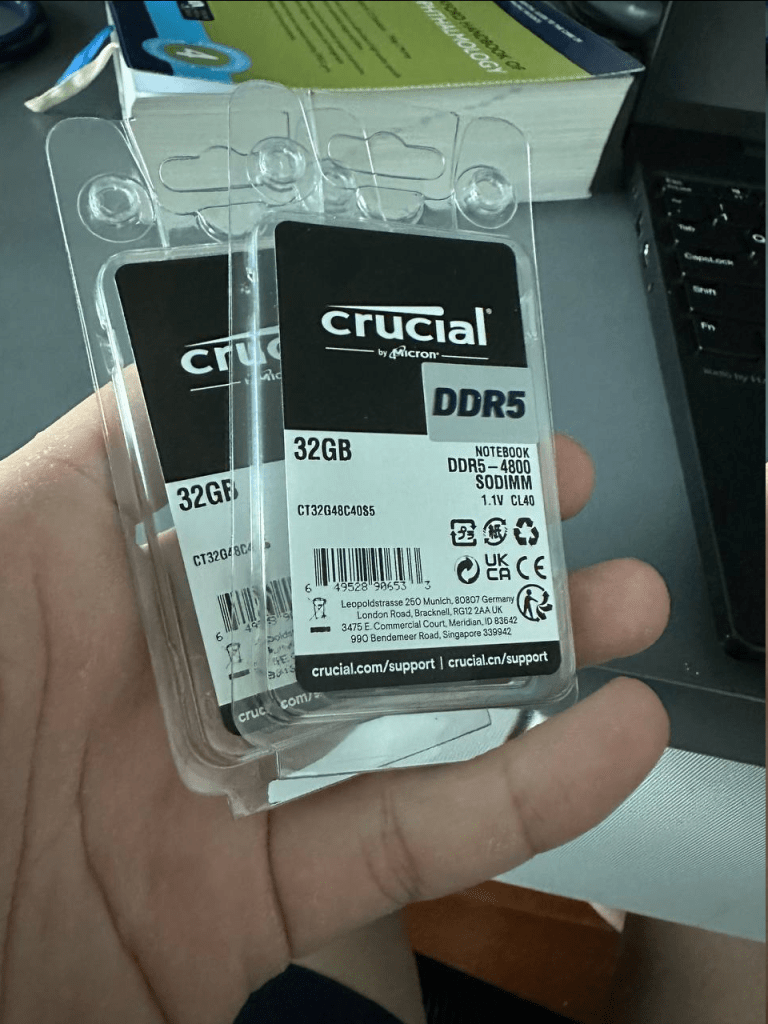
When I went back today to buy two pieces of SODIMM DDR5-4800 MHz 32 GB RAM (see above) for my laptop, I found myself at Tradepac, which had listed these RAM sticks at a fixed price of SGD 118 each. I however wanted to get them for SGD 115 per piece.
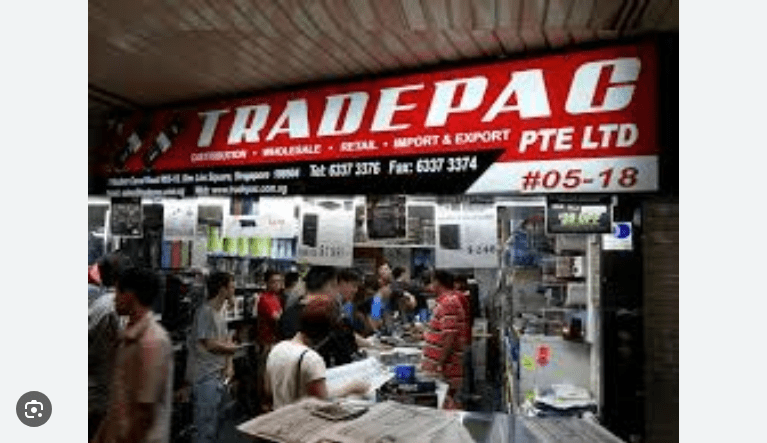
So I initiated a friendly negotiation, suggesting SGD 115 per RAM stick, even offering to pay in cash. Cash payments, after all, are often more appealing to small businesses as they save on potential digital transaction fees. But the staff insisted his margins were too slim to accommodate my offer.
Then I mentioned a competing offer from Dynacore upstairs, who was selling the same RAM for SGD 116 per stick. Upon hearing this, the Tradepac staff started saying how prices fluctuate, and his competitor may have readjusted the price such that it was now higher than SGD 116.
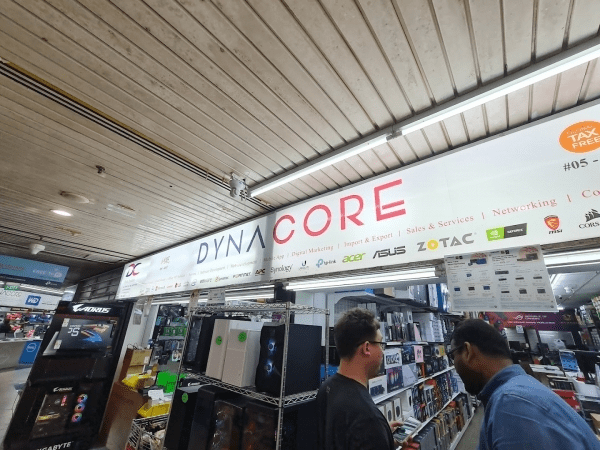
Seeing that he still wouldn’t budge, I started to walk away. This little nudge did the trick—the shop owner quickly called his colleague over, exchanging a few words in an Indian language.
Then the Tradepac owner was like, “You can pay with cash, right? Ok ok ok, 115 per piece”. I happily took my new purchase (picture below), promptly got home to get the RAM sticks into my laptop myself (There was absolutely no way I was going to pay the service staff an additional SGD 20-70 for helping me put in the RAM when I had the expertise to just do it myself).
The appeal of cash in these negotiations can’t be understated. Many smaller shops in SLS work on tight profit margins and potentially face transaction fees on digital payments, so cash provides an immediate benefit. Plus, offering cash creates a sense of finality, a kind of instant transaction that can be quite persuasive, especially if you have a few blue ’50’ bills in your hand from the get go. It may signal that you are a serious buyer.
Shopping at SLS isn’t only about finding the right price but also about understanding the environment. Each shop has its own approach, and each negotiation can be different. There’s an art to bargaining here (something which I want to get even better at) — a mix of patience, respect, and a willingness to walk away if needed. Whether I’m after a Western Digital HDD or RAM for my laptop, knowing when to negotiate and when to accept a fair price makes all the difference. SLS, with its storied past and bustling tech scene, remains a place where you can find not only the latest gadgets but also the thrill of bargaining and the chance to pick up something new without breaking the bank.
For anyone with a bit of patience, an open mind, and cash in hand, there’s really no place quite like it.
Till the next blog post,
Nic
10 Nov 2024, Sunday